
Vikas Bhardwaj is a scholar of international political economy, holding a Ph.D. and M.Phil. from the Centre for Russian and Central Asian Studies, School of International Studies, Jawaharlal Nehru University (JNU), New Delhi. His work focuses on economic statecraft, sanctions, energy geopolitics, and global economic governance.
He has worked as a researcher with numerous institutions, including the Indian Institute of Public Administration (IIPA), contributing to multiple policy evaluation projects commissioned by Government of India ministries. Bhardwaj holds nine academic degrees and has published in international peer-reviewed journals on the Russian economy, geopolitical conflict, and shifting global power dynamics.

Between Trump’s Diplomacy and Putin’s Missiles: Ukraine’s Economic Endgame
Two numbers frame this article. The first is $588 billion: what the World Bank, the UN, the European Commission and Kyiv itself now say Ukraine needs to rebuild, as of…

China’s North Korea Problem: How Russia’s War Created a More Nuclear and Less Dependent Pyongyang
Russia’s war in Ukraine has transformed North Korea from China’s dependent buffer into a more autonomous strategic actor—weakening Beijing’s leverage and generating cascading security dilemmas across Northeast Asia. INTRODUCTION When…
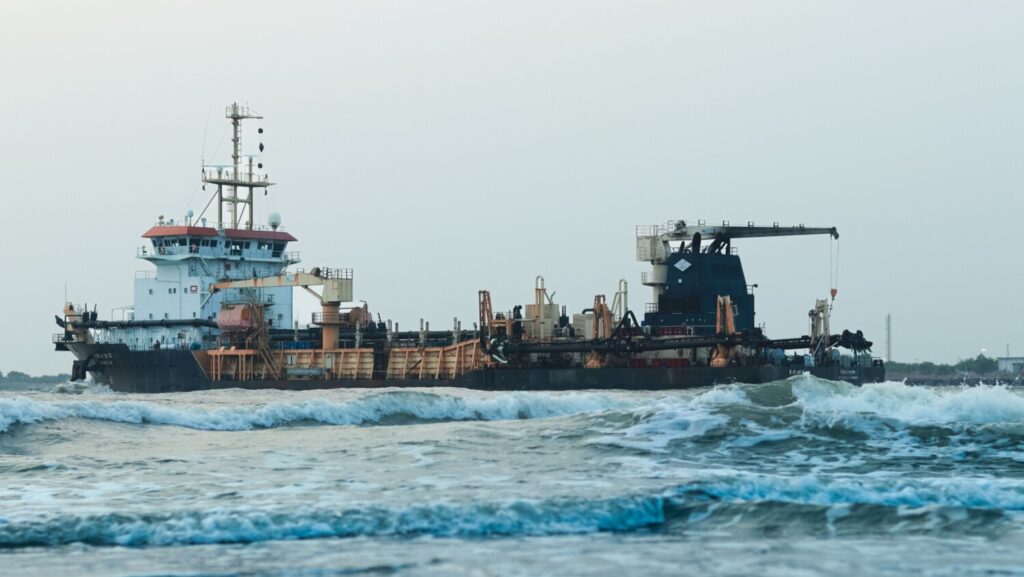
Collateral Casualties at Sea: India and the Hormuz Crisis
The article examines the growing vulnerability of Indian seafarers, trade interests, and energy security amid escalating tensions in the Strait of Hormuz and assesses the broader implications for India's maritime…

From Strategic Depth to Strategic Blowback: Pakistan, the Taliban, and the Unravelling of a Three-Decade Afghan Strategy
Pakistan believed a Taliban-led Afghanistan would secure its western frontier and cement its regional influence. Five years after the Taliban's return, the evidence points in the opposite direction: rising militancy,…
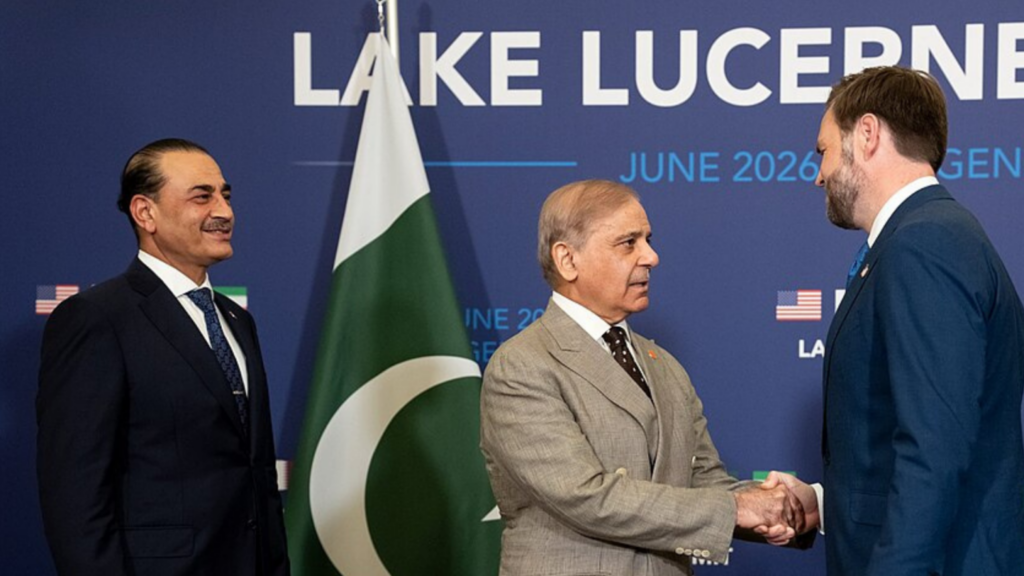
Caught Between Riyadh and Washington: Pakistan’s Israel Recognition Dilemma
Why Pakistan Cannot Buy What the Abraham Accords Are Selling In May 2026, Donald Trump placed a conference call to the leaders of Saudi Arabia, Pakistan, Turkey, Egypt, and Jordan…
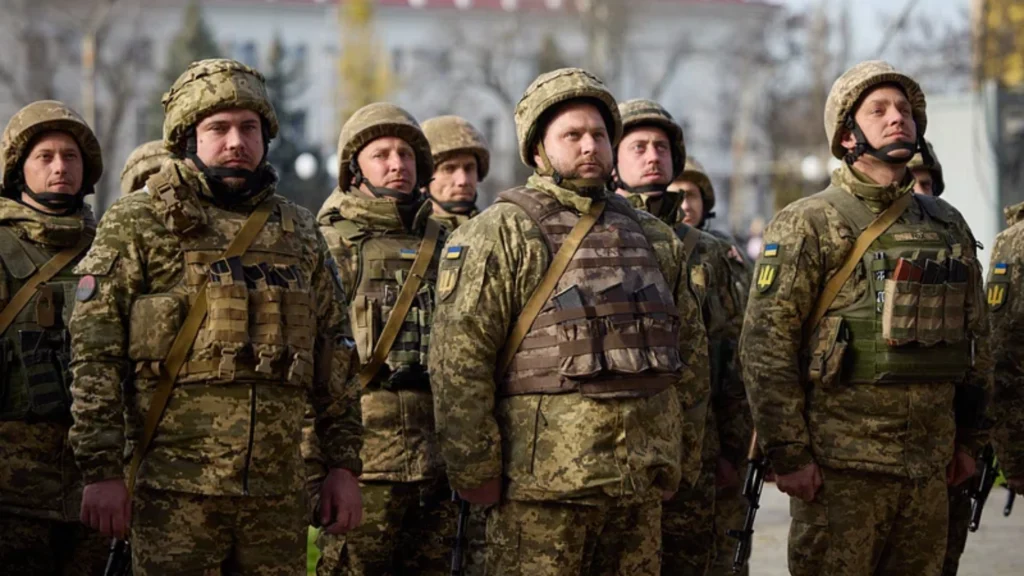
Russia, Sanctions, and a War Longer Than World War I: Why Economic Pressure Has Failed to Change Moscow’s Course in Ukraine
The Ukraine war has outlasted World War I, exposing how sanctions can impose costs on a major power without necessarily changing its strategic behaviour in an increasingly multipolar world. On…

America’s Friend, Pakistan’s Burden: The Hidden Cost of Washington’s Iran Strategy
Pakistan’s 2026 economic crisis, triggered by instability in the Strait of Hormuz, exposes the deep structural costs of an import-dependent economy exposed to external geopolitical shocks. Decades of strategic alignment…