International Relations in the Post-COVID-19 Era: Cooperation Vs Protectionism
“We can’t go back to normal, because the normal that we had was precisely the problem”
COVID-19 pandemic is the first global crisis that has in some way influenced the “normal” life of every single person on Earth. The current crisis has shown how one tiny virus can interrupt local, regional and global economies, plans, cultural and educational events, lives, mental wellbeing and emotional resilience. This crisis has illustrated how interdependent we are and that any warfare among countries can bring nothing but mutual disruption. This crisis, however, could be a blessing in disguise and a wakeup call for humanity to stop, reflect and look back at what we thought was “normal” existence and then reevaluate our “fundamentals”. It is a chance for humans, as the most intelligent biological species, to analyze the current crisis and think through solutions and collective effective responses to future challenges. Global, inclusive, interconnected, simultaneous responses that benefit mutual interests and able to cope with global threats. Humanity is playing with fire in the era of advancing technology and artificial intelligence, without having a regulatory international framework on cybersecurity topped with the absence of international trust and cooperation. Areas of global interest, whether its health, environment or technological advancement are potentially under risk and will require our capacity for collective action.
TWO SCENARIOS
It is hard to predict how global order and consciousness will shift during or after COVID-19 pandemic, however, it will surely be a tipping point that will require a change in political, economic and legal governance. The world leadership is at the crossing point to choose between two opposite ways that are equally likely to happen: the renaissance of cooperative diplomacy focused on common good or increase of nationalism and protectionism. The humanitarian and economic crisis could potentially stimulate cooperative measures. For a couple of decades after World War II, because of the devastation, allies and adversaries alike were able to build common interests focusing on their survival. As of 1950, the European Coal and Steel Community – the predecessor of the European Union, begins to unite countries in order to secure lasting peace and mutually beneficial economic development. Then nationalism and protectionism began to take hold, growing since the early 1970s, to the point where we were just several weeks ago. In fact, the economic crisis of 2007-2009 coincided with unusually low growth of global trade, a rise of protectionist measures in trade and disillusionment with the multilateral trade system.
Nowadays, with several examples of fruitful cooperation and mutual humanitarian support, the nationalistic narratives are taking the lead in separate countries and regions. The “virus” often comes from “other countries” (as of in speech of V. Putin from March 25th) or even named after one nation (“Chinese virus”). The European Union is torn apart by divided views on a united response to the economic crisis. The pandemic has reopened the wounds of the eurozone crisis, resurrecting stereotypes about “profligate” southern Europeans and “hard-hearted” northerners.
THREE LESSONS
No matter which way the leaders of the countries will choose and no matter how long it will take to establish effective global, regional and local governance, there are already some lessons to learn, and policies to advocate for.
Firstly, respect and support of scientific expertise are important if not even vital. There should be a shift in mentality and relationship with scientific institutions. Financial support of scientific and innovative infrastructure will be decisive in defining our ability to combat future challenges globally or within one country. It is important to shift from preventative military expenses to building preventative scientific arsenal in different fields. If only 2% of planned military expenses were allocated to scientific centers, it would already make a big difference. For example, the Coalition for Epidemic Preparedness Innovation, which was created in the USA after the 2014 Ebola epidemic to develop and deploy vaccines had $500 million dollars as its initial funding – or about half the cost of a single stealth bomber. Rethinking priorities, revitalizing and investing in scientific developments that we already have, is important. As an example, the US National Security Council’s unit for coordinating responses to a pandemic that was shut down by Trump’s administration would be very useful in the current environment. Most importantly, the role and meaning of science should be reevaluated and taken more seriously in all fields. Informed political decision-making, based on reliable scientific evidence should work towards a balance between national interest and common interest for the benefit of all on Earth across generations.
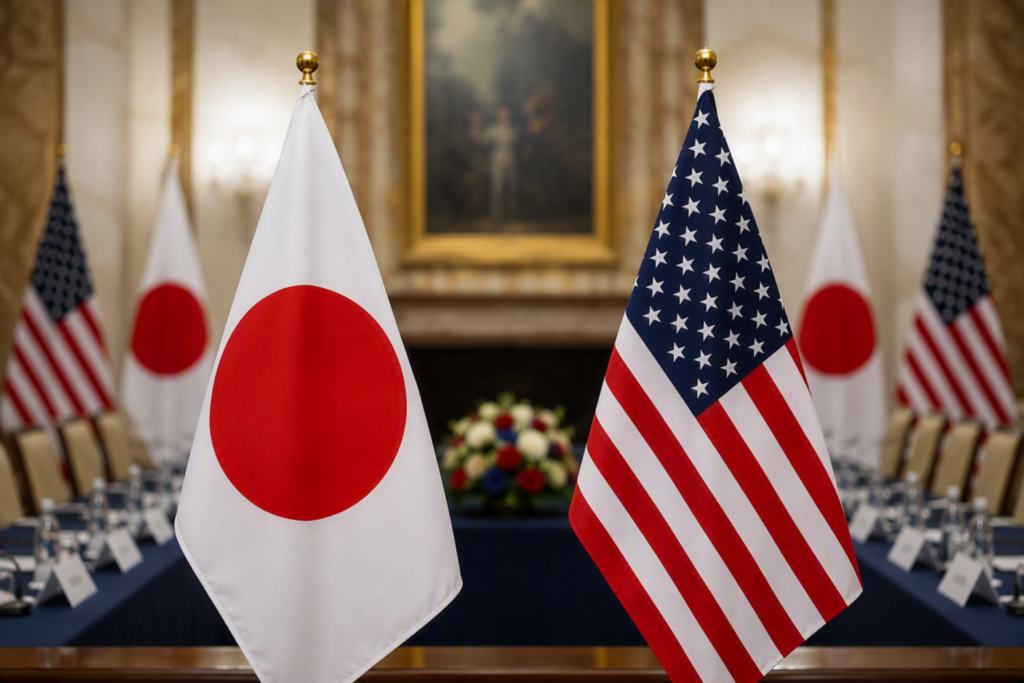
Secondly, any global crisis can only be tackled by a coordinated multilateral response. The stability of the international economy and community is dependent on scientific infrastructure and governance mechanisms to prevent, manage and contain global pandemics. There is a hope we share that the current crisis will be a tipping point and start of a new era of diplomacy which is science-based and oriented for common good. New forms of global leadership will bring us back to cooperation as to a Fundamental principle enshrined in the UN Charter. It is important at this stage to go back to the fundamentals, reevaluate them and adjust to new realities. It is vital to reform international governing mechanisms to make them de-jure and de-facto inclusive and respectful of a variety of national and common interests. Global leadership is needed, however, the concept of it should be reevaluated as well. Power is not defined by the potential of destruction, but by the extent of positive impact and effective, responsible, scientifically oriented leadership.
Lastly, our future task is to find mechanisms to provide unity of scientific development and scientific knowledge. Intensifying knowledge sharing and exchange will lead to better scientific advancement and accuracy of research findings. In these challenging times, the role of the scientific and academic community is to use this momentum to shift global leadership towards redefining new realities in a globalized world and plant seeds for future political and economic cooperation.