Navigating the Crossroads: India’s Energy Crisis and the Path to Sustainability
As rising electricity demand, coal dependence, and climate pressures converge, India is betting on renewables, green hydrogen, and energy storage to secure a sustainable energy future.
Introduction
India, known as the fastest-growing major economy globally, finds itself at a pivotal moment in its energy evolution. With rapid urbanization and industrial growth, the demand for electricity has surged dramatically. When we talk about the “energy crisis” in India, we’re looking at a significant tension between soaring demand, a heavy dependence on fossil fuels, and the pressing need to transition to sustainable energy sources. Fuelled by robust economic growth and increasingly frequent extreme weather events, peak electricity demand is consistently breaking records, stretching the current power infrastructure to its breaking point.
The Root of the Crisis: The Coal Conundrum
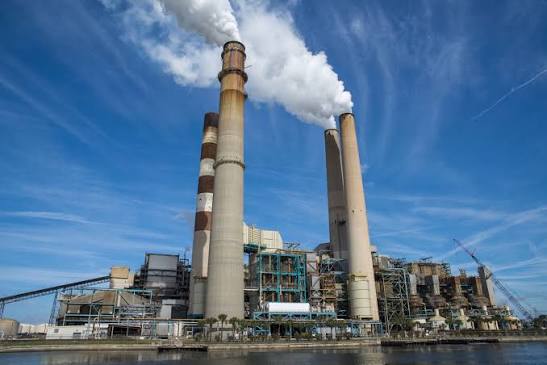
A major hurdle for India’s power sector is its deep-rooted reliance on coal. Even with efforts to promote greener alternatives, thermal power continues to dominate the energy landscape. This dependence brings about two significant challenges: environmental degradation and vulnerable supply chains. During the sweltering summer months, when heatwaves drive up cooling demands, coal stocks at thermal power plants often dwindle to alarmingly low levels. These shortages expose weaknesses in fuel transportation and extraction, sometimes leading to managed blackouts or load shedding across various states. Moreover, striking a balance between the need for reliable power and meeting international climate commitments is no easy feat. Transitioning away from a fuel that has fuelled the country’s growth for decades requires substantial investment, technological advancements, and comprehensive socioeconomic planning to ensure grid stability and energy security.
The Renewable Energy Imperative
To tackle this crisis and secure long-term energy independence, India is making a significant pivot toward renewable energy (RE). The country has set ambitious, internationally recognized targets. Currently, India ranks fourth in the world for installed renewable energy capacity, positioning itself as a key player in the global climate change dialogue. Recognizing the vast, untapped potential of its natural resources, the Ministry of New and Renewable Energy estimates an overall renewable energy potential of approximately 1,700 GW, heavily driven by solar and wind availability (Dubey et al., 2023). Policy frameworks are rapidly evolving to support this monumental shift. India has formally established national targets to achieve 50% of its cumulative installed power generation capacity from non-fossil fuel sources by 2030 (Joshi et al., 2024). This target aligns with broader decarbonisation goals, such as the ambitious National Green Hydrogen Mission, which envisions a production capacity of 5 million metric tons of green hydrogen annually by the end of the decade. These policies are essential to diversifying the energy mix and reducing the carbon intensity of the broader economy. Acknowledging the immense potential of its natural resources, India is on a path to reshape its energy future.
Data Snapshot: India’s Changing Energy Mix
To understand the trajectory of India’s energy landscape, one must look at the capacity additions forecasted by the Central Electricity Authority (CEA) in India. The graph below illustrates the projected shift from a thermal-heavy grid to one dominated by renewable sources by the early 2030s.The data underscores a monumental turning point in India’s environmental and economic trajectory, charting a decisive transition away from legacy fossil fuels. By forecasting a massive influx of renewable capacity additions—such as solar, wind, and hydroelectric power—leading into the early 2030s, the CEA illustrates a strategic pivot designed to systematically dismantle the historical dominance of the thermal-heavy grid. This sweeping transformation reflects India’s dual imperative to meet rapidly surging domestic energy demands while simultaneously honoring aggressive international climate commitments and reducing its overall carbon footprint.
Bridging the Gap: Storage and Grid Modernization
While the long-term projections are promising, the intermittent nature of solar and wind energy presents a significant grid management challenge. The sun does not always shine, and the wind does not always blow precisely when peak demand hits—often in the late evening. Resolving India’s energy crisis therefore hinges on deploying large-scale energy storage solutions. Investments in Battery Energy Storage Systems (BESS) and Pumped Storage Hydropower (PSP) are accelerating to provide the necessary flexibility to the grid. Estimates indicate a requirement of tens of gigawatts of storage by 2030 to soak up excess daytime solar generation and dispatch it safely during evening peaks. Moreover, state-level policies are being overhauled to encourage localized renewable deployment and to mandate renewable purchase obligations for distributors.
Conclusion
India’s energy crisis is a symptom of a rapidly growing economy outstripping its traditional infrastructural limits. However, it also serves as a powerful catalyst for a historic energy transition. By aggressively expanding its renewable energy portfolio, investing in green fuels like hydrogen, and overhauling grid storage, India is laying the foundation for a resilient, sustainable, and energy-independent future. The coming decade will be decisive in proving whether the nation can successfully balance its developmental imperatives with vital ecological responsibilities.
References
Dubey, B., Agrawal, S., & Sharma, A. K. (2023). India’s renewable energy portfolio: An investigation of the untapped potential of RE, policies, and incentives favoring energy security in the country. Energies, 16(14), 5491. https://doi.org/10.3390/en16145491
Joshi, P., Inskeep, S., & Chernyakhovskiy, I. (2024). Impacts of renewable energy and green hydrogen policies on Uttar Pradesh’s power sector future: Additional modeling scenarios to explore hydrogen flexibility [Presentation slides]. Office of Scientific and Technical Information. https://doi.org/10.2172/2447463