
Ama Lotlana is the Editor-in-Chief of the Atlas Institute for International Affairs.
He also serves as a Collaborative Researcher for the Albania and Kosovo All-Party Parliamentary Group (APPG).
He holds a degree in Politics and International Relations from Royal Holloway, University of London, and has undertaken studies at the University of Pristina, focusing on Kosovo’s democratisation, state-building, and Japanese foreign policy.
His current research examines how political power manifests within bureaucratic institutions through legal frameworks, symbolic narratives, and institutional practices.

Territorial Integrity, Traded Both Ways: The Transactional Architecture of the Vučić-Zelensky Summit
Ukrainian President Volodymyr Zelensky’s first official state visit to Belgrade produced a memorandum on food safety, a free-trade target and repeated commitments to sovereignty. What it reveals, on closer reading,…

The End of US Nation-Building in the Balkans? Washington’s Turn to Managed Stability
The State Department’s new report on the Western Balkans presents US policy as a framework of regional stability, commercial access, energy diversification and countering Russian and Chinese influence, but its…

US Escalation in Venezuela Since 2025: Reshaping Politics, Law, and Regional Stability
A comprehensive analysis of US escalation in Venezuela, examining how the transition from economic coercion to direct intervention has reconfigured political authority, challenged international law, and destabilised governance within Venezuela…

Erasmus+ and EU-UK Relations: An Interview with the President of the YEM
In this interview, the President of the Young European Movement UK (YEM), Alfred Quantrill reflects on its role in the UK’s return to Erasmus+, offering insight into elite-led advocacy, the…

From Sanctions to Seizure: Washington’s Use of Military Force in Venezuela
The US seizure of Nicolás Maduro marks an unprecedented breach of Venezuelan sovereignty that escalates long-simmering sanctions, criminalisation and covert pressure into open military intervention with profound regional and legal…

The British Home Secretary’s Reforms to Match Reform UK and Anti-Albanian Sentiment
The Home Secretary's asylum overhaul plans to shift the UK from protection to probation: tightening rights, extending precarity, and echoing Farage’s hard-line framing and the British media's use of Albanians…

Article 4: Poland, Estonia and American Retrenchment
Back to back Article 4 invocations by Poland and Estonia highlight how Russian provocations and looming US retrenchment are testing NATO’s deterrence credibility on its eastern flank. NATO’s eastern flank…
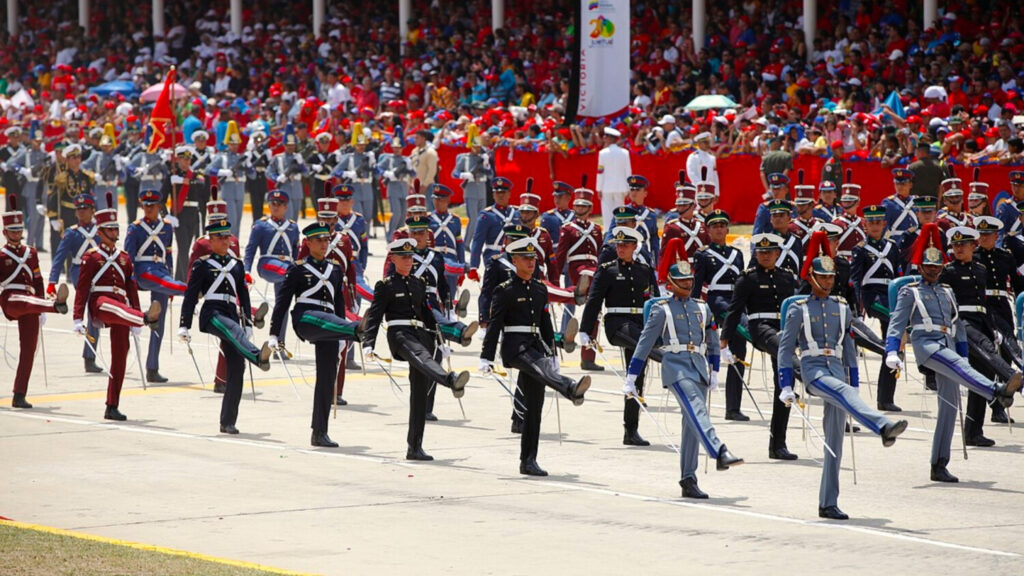
Sanctions to Warships: American Mobilisation near Venezuela
Washington wields sanctions, asset freezes, and military deployments to reinforce its hegemony, while Caracas seeks legitimacy in resistance despite financial fragility. The relationship between the United States and Venezuela has…
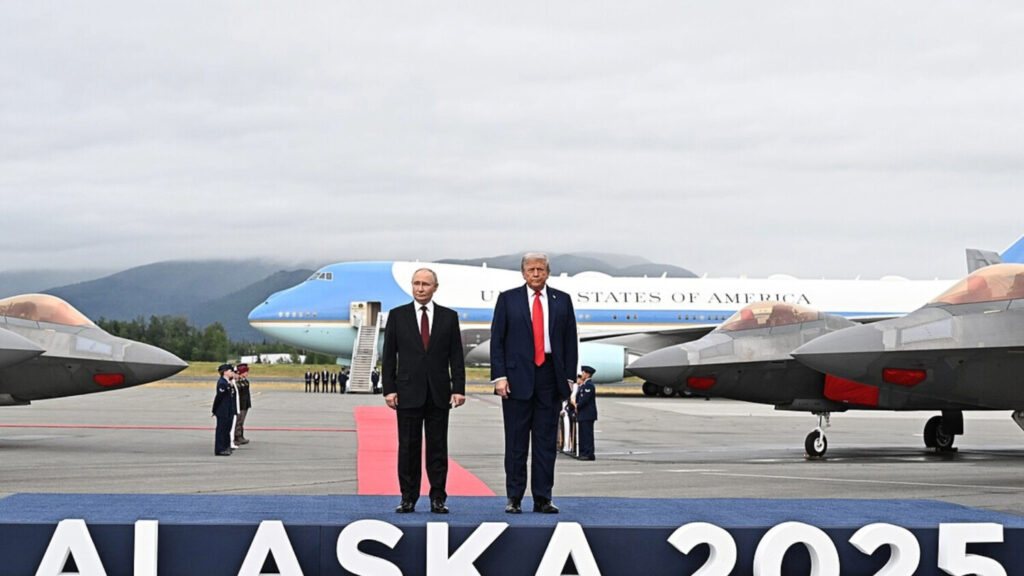
Theatre in Anchorage: How the Alaska Summit Proposed Ukraine’s Future
The Trump-Putin summit in Alaska, Putin’s first U.S. visit since 2022, shifted American policy toward Moscow’s terms by framing territorial concessions as “peace,” raising fears that Ukraine could face a…