The Stabilizer’s Trap: How Russia Built Its Own Obsolescence in the Sahel
Many factors have contributed to Russia’s obsolescence in the Sahel, and the situation is more complicated than people think.
Western debates on the Sahel remain stuck in a binary. Is Russia displacing the West or can Washington reclaim ground? This framing misses the real story and it’s more ironic than either side wants to admit.
The Success of the Africa Corps and Limitations
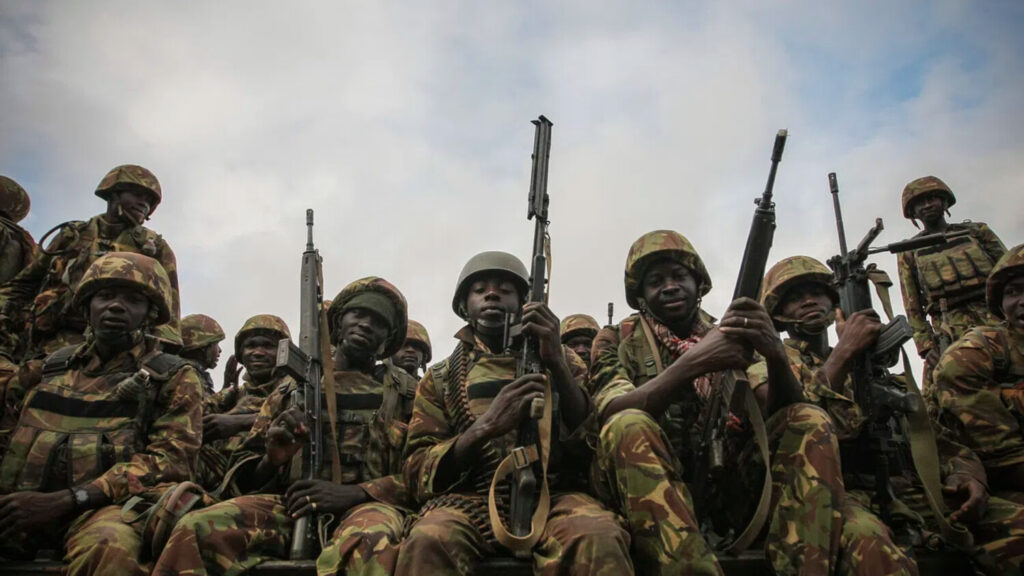
In Mali, Burkina Faso, and Niger, Russia delivered exactly what the juntas needed after expelling France and the US: regime survival. Capitals held, elites endured, and strategic sites got protected. The mission worked and, in doing so, triggered the stabilizer’s trap. The more effectively an external guarantor secures a regime’s survival, the more breathing room that regime gains to reduce its dependence on that guarantor. Survival doesn’t create loyalty. It creates options. Call it the stabilizer’s trap: the better you perform, the more dispensable you become.
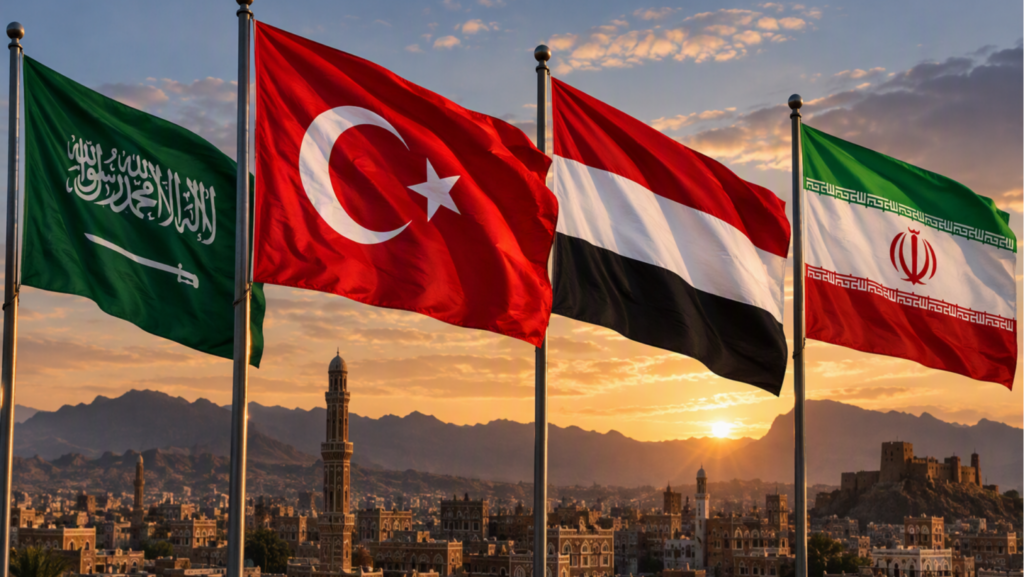
The Alliance of Sahel States is the first exercise of these options. By March 2026, the AES Unified Force had become operational. 6,000 troops, headquartered in Niamey, had been funded by a 0.5% import levy that signals deliberate financial autonomy. Its actual combat effectiveness remains limited, but its resulting political signal matters more than the current military reality. Weapons and drones arrive from Turkey, Iran, and China alongside Russia. The juntas are not replacing Africa Corps outright; they are deliberately refusing to let it remain irreplaceable. The lesson they drew from France and the US was simple: never let one external actor become structurally necessary.
This dynamic is accelerating. In February 2026, Burkina Faso formalized defense cooperation with Iran through drones, missiles, and technical expertise in exchange for gold and strategic minerals. Tehran offers what Russia hasn’t fully delivered: cheaper alternatives with fewer concessions and ideological cover that is framed as solidarity against Western pressure. This is not simply about adding partners: it is a form of competitive pressure on prices and terms, meaning that Russia cannot hold its position by simply staying present. Each new actor in the lineup erodes the Africa Corps’ structural position — not by replacing it, but by making its replacement thinkable. This is where Russia’s position becomes not just weaker, but structurally incomplete.
Regime protection was never the whole game. In resource-dependent states, durable leverage sits not in guns, but in controlling who sees real production figures, manages logistics corridors, and administers revenue flows. Russia secured the coercive layer but never built the informational one. The Africa Corps guards mines and escorts convoys tactically; it does not monitor extraction data, integrate fiscal administration, or capture the asymmetry between reported and actual export revenue. That asymmetry is enormous. A 2025 Extractive Industries Transparency Initiative audit documented $16.8 billion in underreported mining revenue in the DRC over five years, and it remains structurally available to whoever builds the tools to exploit it.
Those tools are being built elsewhere. Hybrid models combining ISR, anti-smuggling operations, and customs administration are already operating in the DRC and Haiti. As of now, China is the most advanced candidate in the Sahel: its mining concessions in Mali and Niger already embed logistical and commercial infrastructure that creates visibility into resource flows that Russia never attempted to acquire. Similar approaches from Turkey, Gulf states, or others are the logical next move once regimes stabilize enough to think beyond immediate survival. The actor that captures the data layer captures lasting leverage, and Russia is not that actor.
The result is structural demotion — not imposed from outside, but emerging from the regimes’ own logic of survival. The juntas are now stabilizing themselves and shopping for whoever delivers the next layer of value, including better rent capture, cheaper protection, and fewer strings. The Africa Corps is one option among several, but it was supposed to be the only one.
Russia built the conditions for its own obsolescence. The question in the Sahel is no longer who replaces it. It’s whether the regimes still need to.