The Hidden Cost of Prosperity: The Exploitation of Migrant Workers in the Middle East
The soaring urban landscapes of the Middle East conceal a complex architecture of labour and power that remains largely invisible in mainstream analyses. Uncovering these realities exposes the quiet contradictions at the heart of the region’s rapid rise.
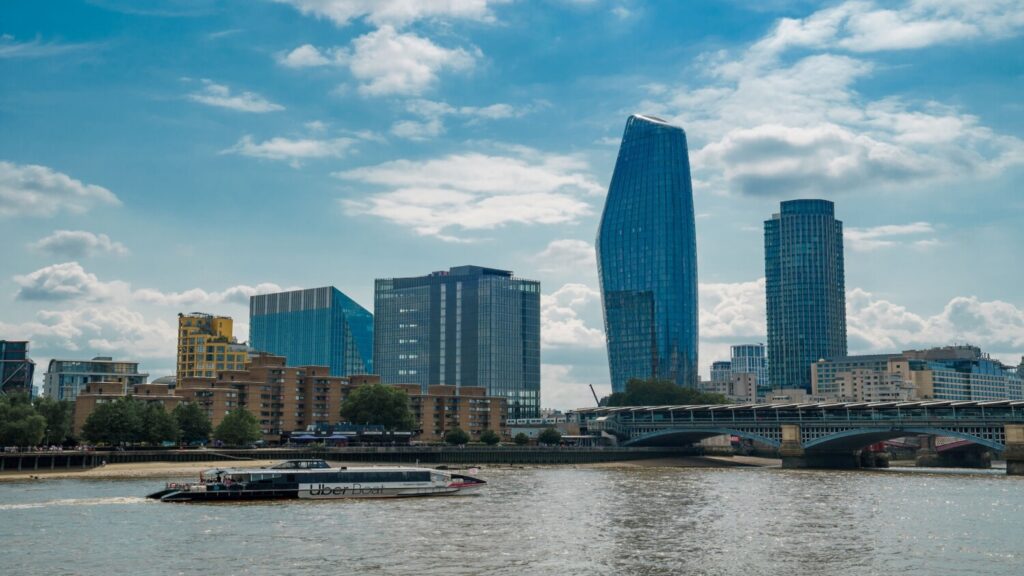
Beneath the glittering skyline of the Middle East, where towering skyscrapers reach for the heavens, lies a silent and unseen underworld, one where dreams of a better life are traded for a brutal, unyielding struggle for survival. For millions of migrant workers, this is the reality they face every day, a life spent labouring to build the very foundations of wealth and progress, only to find themselves buried beneath the weight of exploitation, deprivation, and despair (Human Rights Watch, 2019). They mostly come from impoverished corners of the world, driven by a desire to offer their families a future they could never imagine at home (Deshingkar & Akter, 2009). Yet, what they find is far from the promise of prosperity. Instead, they encounter a system that values their labour over their lives, and their desperation over their dignity.
For these workers, the dream of a better life often fades into the harsh reality of a broken system that leaves them vulnerable to abuse, stripped of their basic rights, and cut off from the very humanity they sought to elevate (Anderson, 2015). While the issue is often framed as a regional problem, its implications extend far beyond the Middle East. The exploitation of migrant workers is a global issue, tied inextricably to the dynamics of global labour markets and the pervasive inequalities of the global economy. It constitutes a human rights crisis that demands attention, intervention, and systemic change.
Bound by the Kafala System: A Framework of Exploitation
At the heart of the exploitation lies the Kafala System, a sponsorship program that has long been the cornerstone of migrant labour policies in the Middle East. This system binds migrant workers to a specific employer, granting employers near-total control over employee’s lives, from employment to personal freedoms, often with devastating consequences. It constitutes a form of legal captivity. The Kafala System not only facilitates but perpetuates a cycle of abuse and disenfranchisement, leaving workers trapped in a system of exploitation with little recourse for justice (Amnesty International, 2016). According to a 2021 report by Human Rights Watch, the Kafala System restricts worker’s ability to change employers or leave the country without permission and enables a culture of fear in which grievances are discouraged due to the risk of retaliation, including deportation and blacklisting (Human Rights Watch, 2021).
The vulnerabilities imposed by the Kafala System are compounded by structural inequalities rooted in gender, nationality, and socioeconomic status. Migrant workers are often recruited through intermediaries or recruitment agencies that charge exorbitant fees, plunging workers into debt even before they depart their home countries. This debt-bondage mechanism reinforces dependence on employers and increases susceptibility to exploitation. Additionally, legal protections for migrant workers are either weak, poorly enforced, or explicitly circumvented, leaving workers with minimal access to labour courts or complaint mechanisms. Cultural and linguistic barriers further exacerbate isolation, making it difficult for workers to seek help or understand their rights. The combination of these factors creates a coercive environment in which worker’s mobility, agency, and autonomy are severely restricted, and where violations of labour and human rights can persist unchecked (Migrant Rights, 2019).
Many migrant workers, particularly in the construction industry, endure conditions that are both physically punishing and legally precarious. Many reside in overcrowded, unsanitary labour camps, with limited access to healthcare, potable water, or basic hygiene facilities. Wages are frequently delayed or arbitrarily deducted, creating cycles of indebtedness that reinforce dependence on employers. The physical toll of labour involves harsh long hours in temperatures that regularly exceed 40°C (104°F). Occupational injuries, including falls, crush injuries, and heatstroke, are frequent, and fatalities are underreported (ILO, 2019).
In Qatar, where extensive infrastructure projects for the 2022 FIFA World Cup relied heavily on migrant labour, reports of workers succumbing to heatstroke, exhaustion, and preventable injuries surfaced with alarming regularity. A 2021 investigation by The Guardian documented at least 6500 migrant workers from South Asia dying between 2010 and 2020, many as a result of grueling working conditions exacerbated by extreme heat and inadequate safety measures (The Guardian, 2021; Qureshi, 2020). Qatari authorities repeatedly downplayed these figures, categorizing many deaths under ambiguous causes and failing to conduct thorough investigations into the link between working conditions and fatalities. Official reluctance to classify these as work-related deaths underscores the broader systemic neglect that has long defined the treatment of migrant labourers in the region (Shah, 2019).
While much of the discourse on migrant labour focuses on the construction and infrastructure sectors, domestic workers remain tragically invisible. Predominantly women, domestic workers are employed to care for families, clean homes, and provide essential services, yet face the same, if not worse, conditions of abuse and neglect as male counterparts in other industries. The International Labour Organization (ILO) estimates that over 2.5 million domestic workers are employed in the Gulf Cooperation Council (GCC) states, with many originating from countries such as the Philippines, Indonesia, Sri Lanka, and India (ILO, 2020). Often living in employer homes, these workers experience extreme isolation with little to no personal time or privacy. Working hours frequently extend up to 18 hours per day, often without rest or adequate compensation, and many go for months without pay, trapped in a system where labour is extracted with no regard for well-being.
A 2019 report by the Human Rights Watch documented widespread physical violence, emotional trauma, and most disturbingly, sexual exploitation and abuse. These assaults are compounded by a culture of silence, where workers face retaliation such as deportation, blacklisting, or further violence if grievances are reported (Amnesty International, 2016). Workers are routinely subjected to verbal abuse, often enduring insults, threats, and dehumanizing language from employers. They are humiliated, demeaned, and treated as subordinates, with basic humanity stripped away. The report highlighted harrowing cases of domestic workers being locked in employer’s homes and subjected to forced labour and violence. In some cases, workers are denied food, medical care, or the ability to contact families in home countries (Human Rights Watch, 2019; Vora, 2013).
For migrant workers in the region, whether in construction, domestic labour, or other sectors, the cost of exploitation is often far too high. Labour-related deaths are unfortunately prevalent, often due to suicide or workplace violence (Qureshi, 2020). While international pressure has prompted some Gulf nations, such as Qatar and Saudi Arabia, to introduce reforms aimed at improving labour conditions, these measures often fall short of effecting meaningful change. In recent years, Qatar has made incremental progress, notably by abolishing exit visas and implementing a minimum wage in 2020, but these reforms remain insufficient in addressing the underlying issues of migrant worker exploitation (Human Rights Watch, 2021; Shah, 2019). Despite these steps, systemic abuse continues, with human rights organizations regularly documenting violations. Reforms, though symbolic, have failed to provide adequate protections, leaving workers exposed to the same power imbalances and vulnerabilities as before (ILO, 2020).
In Saudi Arabia, the Saudi Vision 2030 initiative promised a new era of labour rights, including changes to the Kafala System that would ostensibly allow workers greater freedom to change employers (Abdalla, 2018). However, these reforms remain largely untested, and the impact on the lives of migrant workers is yet to be fully realized. While the legal framework may appear more inclusive on paper, enforcement is inconsistent, and many workers continue to live under conditions of fear and exploitation (Gardner, 2012).
The plight of workers in the Middle East represents not only a grave humanitarian crisis but also a profound economic and moral paradox. Rapid regional growth and prosperity are built on the backs of these workers, yet labour remains undervalued, and rights are routinely violated (Milanovic, 2016). The absence of meaningful enforcement mechanisms, coupled with the systemic exclusion of the most vulnerable workers from legal protections, ensures that the cycle of abuse persists. Pursuit of justice cannot rely solely on superficial reforms or gestures toward international standards. Fundamental shifts in both legal infrastructure and political will are required.
Workers leaving behind familiar surroundings in search of a better life deserve more than empty promises. Lives, hopes, and futures should not be traded for the convenience of an economy built on exploitation. The political economy of labour in the Middle East thrives on systemic exploitation, and unless this reality is confronted with effective action, the system that dehumanizes essential contributors will continue. Dignity, humanity, and rights must be upheld as the foundation of a just and equitable future. This represents not only a moral obligation but also a call for a fundamental rethinking of the principles upon which regional development has been achieved.
Bibliography
- Amnesty International, 2016. The Ugly Side of the Beautiful Game: Exploitation of Migrant Workers on a Qatar 2022 World Cup Site. London: Amnesty International.
- Anderson, B., 2015. Precarious work, immigration and governance. Migration, precarity, and global governance: challenges and opportunities for labour.
- Begum, R; Human Rights Watch 2019. “I Already Bought You”: Abuse and Exploitation of Female Migrant Domestic Workers in the Gulf. New York: Human Rights Watch.
- Deshingkar, P. & Akter, S., 2009. Migration and Human Development in India. New Delhi: Oxford University Press.
- Gardner, A., 2012. City of Strangers: Gulf Migrant Workers and the Urban Landscape. London: Hurst & Co.
- Human Rights Watch, 2021. “Swept Under the Carpet”: Migrant Worker Rights and the Kafala System in Qatar.New York: Human Rights Watch.
- International Labour Organization (ILO), 2019. Safety and Health in Construction: Global Estimates of Fatal Work-Related Injuries. Geneva: ILO.
- International Labour Organization (ILO), 2020. Domestic Workers Across the Gulf: Patterns of Exploitation and Legal Protection. Geneva: ILO.
- Migrant Rights, 2019. Debt, Dependency and the Kafala System: How Recruitment Practices Exploit Migrant Workers in the Middle East. Beirut: Migrant Rights Organization.
- Milanovic, B., 2016. Global Inequality: A New Approach for the Age of Globalization. Cambridge, MA: Harvard University Press.
- Qureshi, S., 2020. Migrant labour fatalities in the Gulf: An underreported crisis. Journal of Middle East Labour Studies, 8(2), pp.77–101.
- The Guardian, 2021. At Least 6,500 Migrant Workers Died in Qatar Between 2010 and 2020. [online] Available at: https://www.theguardian.com/global-development/2021/feb/17/qatar-migrant-worker-deaths [Accessed 25 Nov. 2025].